Heavy vehicles, construction equipment, and constant traffic can quickly destroy a standard driveway surface. Whether it’s a residential renovation, a commercial build, or utility works, protecting access points is critical. Without proper reinforcement, driveways can crack, sink, or become unsafe—leading to costly repairs and delays.
One of the most reliable and widely used solutions across Australia is steel road plates. Known for their exceptional strength, durability, and versatility, steel plates provide a temporary yet highly effective way to support heavy traffic while preserving the integrity of the underlying surface.
This guide explores why steel plates are the preferred choice for heavy-duty driveway protection, how they work, and when to use them.
What Are Steel Plates for Driveways?
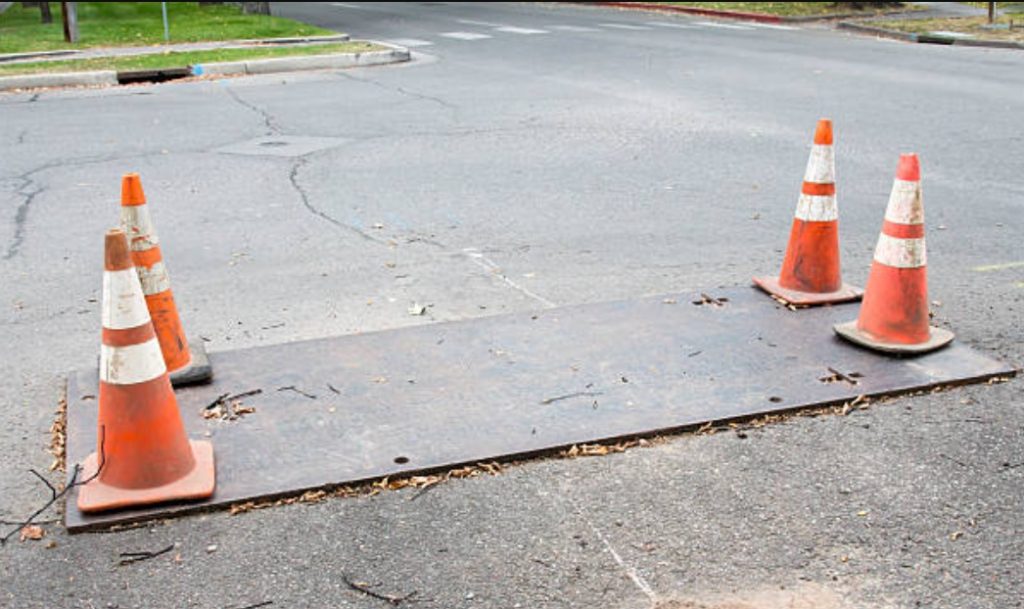
Steel plates—often referred to as road plates or trench plates—are thick, flat sheets of structural steel designed to distribute weight across a wider surface area. Construction, civil works, and infrastructure projects commonly use them to cover trenches, stabilise ground, and create temporary access routes.
When placed over a driveway, steel plates act as a protective barrier between heavy loads and the surface below. Instead of pressure being concentrated in one spot, the plate spreads the load evenly, significantly reducing the risk of cracking or structural failure.
Why Driveways Fail Under Heavy Traffic
Most residential and light commercial driveways in Australia are not built to withstand repeated heavy loads. Materials like concrete, asphalt, or pavers can degrade quickly under stress from trucks, cranes, or machinery.
Common causes of driveway damage include:
- Excessive weight loads from construction vehicles
- Point pressure from narrow tyres or stabiliser legs
- Soil movement beneath the surface
- Repeated traffic cycles over a short period
- Moisture weakening the base layer
Without reinforcement, even a well-built driveway can suffer long-term structural damage. This is where steel plates provide a practical and cost-effective solution.
Key Benefits of Steel Plates for Heavy Traffic
1. Exceptional Load-Bearing Capacity
Steel plates are engineered to handle extremely heavy loads, making them ideal for construction environments. Depending on thickness (typically 16mm to 32mm), they can support everything from delivery trucks to multi-tonne machinery.
Unlike temporary materials such as plywood or plastic boards, steel does not flex excessively under pressure. This ensures stability and safety, even under continuous heavy use.
2. Even Weight Distribution
One of the main reasons driveways fail is uneven load distribution. Steel plates solve this by spreading weight across a larger footprint.
This reduces:
- Surface cracking
- Sub-base deformation
- Localised stress points
As a result, the underlying driveway remains intact, even during intensive construction activity.
3. Superior Durability
Steel is highly resistant to:
- Impact damage
- Abrasion
- Weather exposure
- Repeated heavy loads
In Australia’s harsh conditions—ranging from intense UV to heavy rain—steel plates maintain their structural integrity far better than alternative materials. They can be reused multiple times across different projects, making them a long-term investment.
4. Temporary Yet Reliable Access Solution
Steel plates provide immediate, stable access for vehicles and machinery. This is especially important for:
- Construction sites
- Utility repairs
- Emergency works
They can be installed and removed quickly without permanently altering the driveway, making them ideal for temporary use.
5. Enhanced Safety
Safety is a critical factor on any worksite. Steel plates reduce hazards by:
- Creating a stable driving surface
- Preventing ground collapse over trenches
- Minimising trip hazards
Many plates also feature anti-slip coatings or patterned surfaces, improving traction in wet conditions—an important consideration in Australian climates.
Steel Plates vs Alternative Solutions
While there are several temporary driveway protection options available, steel plates consistently outperform most alternatives in heavy-duty applications.
Steel Plates vs Timber or Plywood
Timber sheets are sometimes used for light-duty protection, but they:
- Crack or splinter under heavy loads
- Absorb moisture and weaken quickly
- Offer poor long-term durability
Steel plates, in contrast, provide consistent strength and reliability.
Steel Plates vs Plastic/Composite Mats
Composite mats are lighter and easier to handle, but:
- They have lower load capacity
- Can deform under extreme weight
- Are better suited for soft ground rather than driveways
Steel plates remain the preferred option for high-load scenarios involving trucks or heavy machinery.
Steel Plates vs Gravel or Temporary Fill
Using gravel or fill material may seem cost-effective, but it:
- Does not prevent underlying damage
- Requires extensive cleanup
- Can shift or sink under pressure
Steel plates offer a cleaner, more controlled solution with predictable performance.
Common Applications in Australia
Steel plates are widely used across various industries and scenarios:
Residential Construction
- Protecting driveways during home builds or renovations
- Allowing access for concrete trucks, cranes, and tradies
Civil and Infrastructure Projects
- Covering trenches for utility works
- Maintaining traffic flow during road repairs
Commercial Sites
- Supporting heavy vehicle access to warehouses or developments
- Creating temporary loading zones
Emergency Repairs
- Rapid deployment for damaged roads or underground services
Their versatility makes them an essential tool across the construction and logistics sectors.
Choosing the Right Steel Plate
Selecting the correct steel plate is crucial for safety and performance. Key factors include:
Thickness
Thicker plates provide greater load capacity. Typical options:
- 16–20mm: Light to medium loads
- 20–32mm: Heavy vehicles and machinery
Size
Larger plates distribute weight more effectively but may be harder to transport and install.
Surface Finish
Anti-slip coatings or textured surfaces improve safety, especially in wet conditions.
Edge Design
Bevelled edges help reduce trip hazards and allow smoother vehicle transitions.
Installation Best Practices
Proper installation ensures maximum effectiveness and safety.
1. Prepare the Surface
Ensure the driveway is clean and free from debris. Uneven ground should be levelled to prevent rocking or instability.
2. Position the Plate Correctly
The plate should fully cover the area of concern, with adequate overlap on all sides.
3. Secure the Plate
In high-traffic areas, plates may need to be anchored or fixed to prevent movement.
4. Inspect Regularly
Check for shifting, wear, or damage—especially during extended use.
Safety Considerations
While steel plates are highly effective, they must be used responsibly.
- Avoid gaps between plates
- Ensure proper load ratings are followed
- Use signage if plates are in public areas
- Monitor noise and movement under traffic
Following these precautions helps maintain a safe working environment.
Cost vs Long-Term Value
Steel plates may have a higher upfront cost compared to temporary alternatives, but they deliver superior long-term value.
Why they’re cost-effective:
- Prevent expensive driveway repairs
- Reduce downtime on projects
- Can be reused across multiple jobs
- Minimise risk of accidents or damage claims
For most heavy-duty applications, the return on investment is clear.
Frequently Asked Questions
Are steel plates safe for residential driveways?
Yes. When properly installed, they protect the driveway and provide a stable surface for vehicles.
How thick should a steel plate be for heavy traffic?
For trucks and machinery, plates between 20mm and 32mm are typically recommended.
Can steel plates damage the driveway?
No—when used correctly, they prevent damage by distributing weight evenly.
Are steel plates suitable for wet conditions?
Yes. Many plates include anti-slip features, and steel performs well in all weather conditions.
Can steel plates be reused?
Absolutely. They are designed for repeated use across multiple projects.
In summary
Steel plates have become the industry standard for protecting driveways under heavy traffic—and for good reason. Their unmatched strength, durability, and ability to distribute weight make them the most reliable solution for both residential and commercial applications.
In Australia’s demanding construction environment, where heavy machinery and unpredictable conditions are common, steel plates provide peace of mind. They not only safeguard surfaces but also improve safety, efficiency, and project outcomes.
If you’re planning any work that involves heavy vehicle access, investing in steel plates isn’t just a smart choice—it’s a necessary one.

