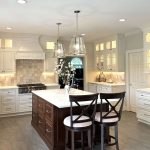
A kitchen is the heart of every home, and making it feel luxurious doesn’t always require a massive budget. The key lies in thoughtful design, cohesive styling, and strategic upgrades. From hardware to lighting, surfaces to storage, every element contributes to the perception of luxury. A well-curated kitchen balances function and aesthetics, transforming an ordinary space into a high-end environment.
Cohesion, texture, and attention to detail elevate a kitchen without major renovations. By combining practical upgrades with statement features, homeowners can achieve a polished, designer look. Lighting, countertops, and accessories play a vital role, creating a space that is both inviting and sophisticated. Ultimately, an expensive-looking kitchen is not about price tags but intentional design choices that showcase style, quality, and functionality.
Upgrade Everyday Essentials
Small but meaningful upgrades can dramatically improve the kitchen’s appearance and functionality. Items used daily, such as tea towels, utensils, and countertop accessories, should be stylish and coordinated. Replace old dish racks, chopping boards, and containers with designer options. Even small appliances, like kettles and toasters, can be chosen in elegant finishes to complement the overall design.
Key upgrades include:
-
Designer-style towel holders and trays
-
Coordinated countertop accessories
-
High-quality utensils and tools
-
Sleek small appliances with metallic or matte finishes
Upgrading these everyday essentials gives the kitchen a cohesive, polished look. A curated space signals sophistication, demonstrating that every detail is intentional. Even without expensive renovations, these subtle changes can transform the perception of the kitchen, making it appear luxurious and well-designed.
Frameless Crown Moulding
Frameless crown moulding adds architectural elegance to any kitchen. Placed above cabinets or along ceilings, it creates a seamless, high-end appearance. Unlike ornate moulding that can feel dated or overwhelming, frameless designs maintain a modern, minimalist aesthetic.
This design element works particularly well in kitchens with high ceilings, drawing the eye upward and creating a sense of spaciousness. It pairs beautifully with integrated lighting and coordinated cabinetry finishes. The result is a kitchen that feels custom-built and sophisticated. Frameless crown moulding is an effective, subtle upgrade that instantly elevates cabinetry, providing a polished and cohesive environment without dominating the overall design.
Smart Pantry and Storage
Smart storage solutions are essential for both luxury and functionality. Concealed pantries, pull-out drawers, and modular shelving reduce visual clutter and maintain a clean, organized appearance. Well-planned storage allows items to be hidden, leaving counters free and emphasizing the kitchen’s high-end finishes.
Efficient storage also improves workflow. Assign zones for prep, cooking, and cleaning, while integrating compartments for spices, utensils, and appliances. Adjustable shelves and modular inserts ensure flexibility, accommodating a variety of kitchen essentials. A kitchen that is tidy, well-organized, and easy to navigate conveys intentional design and sophistication. Smart storage enhances both practicality and aesthetics, contributing significantly to an expensive, polished look.
Create a Bar Area
A dedicated bar area adds both style and function, creating a focal point within the kitchen. This space can include a bar cart, built-in shelving, or a small counter for drinks and entertaining. Properly styled, it demonstrates intentional design and adds visual interest.
Elements to consider for a bar area:
-
Stylish glassware and decanters
-
Coordinated shelving or inserts
-
Contrasting countertop surfaces
-
Accent lighting to highlight the space
Even in smaller kitchens, a compact bar corner adds sophistication. It encourages organized display and highlights decorative elements, making the kitchen feel curated. Combining utility with style, a bar area elevates the space and reinforces a luxurious, designer-inspired impression.
Full-Slab Backsplash
A full-slab backsplash transforms a kitchen’s appearance instantly. Unlike traditional tile with grout lines, a continuous slab of marble, quartz, or granite provides a seamless and modern look. This approach enhances the perception of space while adding elegance and sophistication.
Full-slab backsplashes are available in subtle natural tones or bold statement patterns, creating a visual focal point. They are easy to maintain and emphasize high-quality finishes. Integrating a slab backsplash with matching countertops and cabinetry produces a cohesive, polished aesthetic. This design choice communicates sophistication, creating a luxury feel without requiring extensive renovations. A seamless backsplash ensures a clean, modern, and expensive appearance.
Copper or Stone Sink
Replacing a standard sink with copper or stone immediately elevates a kitchen’s visual impact. Copper develops a natural patina over time, while stone maintains timeless elegance. Both materials add warmth, texture, and a sense of craftsmanship.
These sinks can be paired with designer taps and metal accents for a cohesive look. Their durability and aesthetic appeal make them both practical and luxurious. Choosing a statement sink demonstrates attention to detail and quality. It becomes a centerpiece that enhances the entire space. A copper or stone sink turns an ordinary task area into a refined feature, contributing to a high-end kitchen impression.
Let There Be Influential Illumination
Lighting has the power to transform a kitchen. Layered lighting, including pendants, under-cabinet fixtures, and recessed ceiling lights, enhances both functionality and aesthetics. Proper illumination highlights textures, cabinetry, and surfaces, creating depth and a sense of luxury.
Pendant lighting over islands or breakfast bars acts as a visual focal point, while under-cabinet lighting ensures tasks are well-lit. Metallic finishes like brass, matte black, or glass add sophistication. Thoughtful lighting also emphasizes other design elements, such as backsplashes or sinks, making them stand out. Layered illumination creates ambiance, highlights design details, and significantly contributes to a polished, expensive-looking kitchen.
FAQs
1. What is the 60 30 10 rule for kitchens?
The 60-30-10 rule is a colour strategy that balances dominant, secondary, and accent tones. Typically, 60% of the space uses a primary colour like cabinetry or walls, 30% features a secondary colour such as countertops or large appliances, and 10% is an accent colour found in accessories or hardware. This approach creates visual harmony, making the kitchen feel cohesive and thoughtfully designed. It is commonly applied in high-end kitchens to achieve a polished and luxurious look.
2. What is the 2026 trend for kitchens?
Kitchen trends for 2026 focus on sustainability, smart technology, and layered textures. Homeowners are selecting eco-friendly materials, matte finishes, and integrated appliances for a seamless, modern aesthetic. Dark cabinetry paired with lighter countertops, natural stone backsplashes, and statement lighting is increasingly popular. Curated open shelving and stylish décor continue to add personality. The trend emphasizes blending functionality with aesthetics, creating kitchens that feel luxurious, practical, and tailored to contemporary lifestyles.
3. What colours make a kitchen look expensive?
Expensive-looking kitchens often use cohesive and sophisticated colour palettes. Neutral shades such as cream, grey, and off-white provide a timeless base. Darker tones like navy, forest green, and charcoal add drama and luxury. Metallic accents in gold, brass, or copper elevate finishes. Matte textures contribute to a polished, high-end feel. Combining a primary colour, secondary elements, and accent tones thoughtfully ensures the space appears elegant, cohesive, and intentionally designed.
4. What is the 3×4 kitchens rule?
The 3×4 kitchen rule is a design guideline that balances workspace, storage, and circulation. It recommends proportioning the kitchen to allocate three parts for working areas and four parts for movement and storage. This ensures efficient workflow, prevents overcrowding, and optimizes placement of appliances, countertops, and cabinetry. Following this principle helps create a kitchen that feels spacious, organized, and professional. Adhering to these proportions enhances both functionality and the perception of luxury.
5. What to look for when remodeling a kitchen?
When remodeling, prioritize materials, layout, lighting, and functionality. Choose durable countertops, quality cabinetry, and stylish hardware. Plan efficient storage and traffic flow for convenience. Integrate modern, energy-efficient appliances and layered lighting to improve usability. Consider statement elements like backsplashes, sinks, or flooring for a luxury impression. Cohesion in colours, finishes, and textures ensures a polished appearance. Balancing aesthetics with practicality results in a kitchen that looks expensive, performs well, and adds value to the home.