Choosing between roof repair, roof restoration, and roof replacement is one of the most important decisions Australian homeowners face. With harsh UV exposure, heavy storms, coastal corrosion, and ageing housing stock, roofs in Australia often degrade faster than expected. Making the wrong decision can lead to unnecessary costs—or worse, long-term structural damage.
This guide breaks down each option in detail so you can make an informed, cost-effective decision based on your roof’s actual condition, not guesswork.
1. Introduction: Why Roof Decisions Matter in Australia
Australian homes are exposed to some of the most demanding weather conditions in the world. Roofs regularly face:
- Intense UV radiation that weakens protective coatings
- Heavy rainfall and storm events, especially along the east coast
- Coastal salt exposure that accelerates metal corrosion
- Temperature fluctuations that cause expansion and cracking
- Falling debris during storms and bushfire seasons
Because of this, roofing systems in Australia rarely fail in a single moment—they degrade gradually. The challenge for homeowners is knowing whether a problem can be repaired, restored, or if full replacement is the only safe long-term solution.
2. What Is Roof Repair?
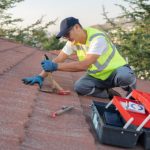
Roof repair refers to fixing specific, isolated issues without changing the overall structure of the roof. It is the most targeted and cost-effective roofing solution.
Common roof repairs include:
- Replacing broken or missing tiles
- Fixing minor leaks
- Sealing cracked flashing
- Repairing small sections of metal roofing
- Repointing small ridge cap areas
Roof repair is typically reactive—it addresses a problem that already exists rather than improving the whole system.
When roof repair is the right choice:
- Damage is localised to one area
- Roof structure is still in good condition
- Roof is relatively modern or well-maintained
- No widespread leaks or sagging
Advantages:
- Lowest upfront cost
- Fast turnaround (often same day)
- Minimal disruption
Limitations:
- Does not improve overall roof lifespan
- May not solve underlying ageing issues
- Can become repetitive if roof is deteriorating
Roof repair is ideal for early-stage problems but not for ageing or widespread damage.
3. When Roof Repair Is Suitable
Roof repair is best suited to homes where the roofing system is fundamentally sound but has minor issues caused by external damage or wear.
Typical scenarios include:
- Storm damage affecting a small section
- A few cracked tiles from impact
- Localised roof leaks after heavy rain
- Loose ridge capping or minor flashing failure
In Australian conditions, especially in Melbourne and coastal regions, roof repairs are commonly needed after seasonal storms. However, repeated repairs over time may indicate deeper deterioration.
4. What Is Roof Restoration?
Roof restoration is a full surface rejuvenation process that improves both appearance and functionality without fully replacing the roof.
A standard roof restoration may include:
- High-pressure cleaning to remove dirt, moss, and lichen
- Re-bedding ridge caps where needed
- Re-pointing cracked mortar
- Replacing damaged tiles or sheets
- Sealing and protective coating application
- Repainting (especially for tile or metal roofs)
Unlike repair work, restoration focuses on the entire roof system, not just problem areas.
5. When Roof Restoration Is Suitable
Roof restoration is ideal when the roof is ageing but still structurally sound.
It is commonly used when:
- Roof is 15–30 years old
- Surface deterioration is visible but structure is intact
- There are multiple minor issues rather than one major failure
- Homeowners want to extend roof life without full replacement
Advantages:
- Extends roof lifespan by 10–15+ years
- Improves energy efficiency and waterproofing
- Enhances property value and appearance
- More affordable than replacement
Limitations:
- Not suitable for structurally damaged roofs
- Cannot fix major sagging or frame issues
- Results depend heavily on workmanship quality
Roof restoration is often the “middle ground” solution in Australia and is widely used for older suburban homes.
6. What Is Roof Replacement?
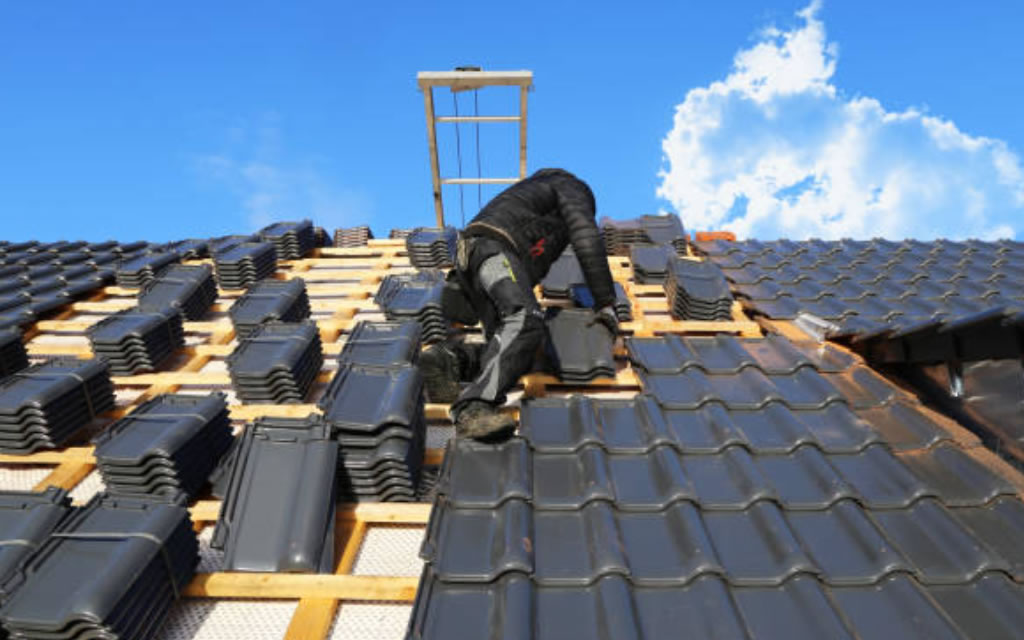
Roof replacement involves the complete removal of the existing roof system and installation of a new one. This is the highest-cost and most extensive solution.
A full replacement includes:
- Removal of old roofing materials
- Inspection and repair of structural timber if needed
- Installation of new roofing system (tiles or metal)
- New underlayment and waterproofing layers
- New flashing, gutters (sometimes optional)
7. When Roof Replacement Is Necessary
Roof replacement is required when the roof has reached the end of its usable life or is structurally compromised.
Common reasons include:
- Extensive water damage or internal leaks
- Severe sagging or structural movement
- Roof age exceeding 40–50 years (tile) or 20–30 years (metal)
- Widespread rust or material failure
- Repeated unsuccessful repairs
Advantages:
- Completely new roofing system
- Long-term durability (20–50+ years depending on material)
- Improved insulation and energy efficiency
- Increases property value significantly
Limitations:
- Highest upfront cost
- Longer installation time
- Requires more disruption to household
Roof replacement is often a long-term investment rather than a maintenance decision.
8. Key Differences Between Repair, Restoration and Replacement
Understanding the differences helps avoid overspending or under-investing.
- Roof Repair: Fixes isolated damage
- Roof Restoration: Refreshes and strengthens entire roof surface
- Roof Replacement: Rebuilds the entire roof system
Key comparison factors:
- Cost level
- Lifespan extension
- Scope of work
- Structural impact
- Long-term value
In simple terms:
- Repair = patch
- Restoration = renewal
- Replacement = rebuild
9. Cost Comparison in Australia (2026)
Roofing costs vary across Australia depending on labour, access, and materials.
Roof Repair:
- $250 – $1,500 (typical range)
Roof Restoration:
- $3,000 – $12,000+
Replacement:
- $10,000 – $35,000+ (can exceed $50,000 for large homes)
Cost influencers:
- Roof size and pitch
- Material type (tile vs metal)
- Accessibility (single vs double storey)
- City labour rates (Sydney & Melbourne higher)
- Extent of damage
10. Lifespan of Each Option
- Roof Repair: 1–10 years depending on issue
- Roof Restoration: 10–15+ years
- Roof Replacement: 20–50 years depending on material
A key consideration is that repeated repairs on an ageing roof often cost more over time than a single restoration or replacement.
11. Roof Types in Australia and Their Impact on Decision
Tile Roofs (Concrete & Terracotta)
- Common in older Australian suburbs
- Often good candidates for restoration
- Individual tile replacement is common
Metal Roofs (Colorbond, Zincalume)
- Popular in modern builds
- Easier to repair small sections
- Replacement needed if corrosion spreads
Flat Roofs
- Require waterproof membrane integrity
- Often restored or fully replaced depending on condition
Roof material colorbond or terractota heavily influences which option is most cost-effective.
12. Common Mistakes Homeowners Make
- Choosing repair when roof is already failing
- Paying for restoration on structurally damaged roofs
- Delaying action until internal damage occurs
- Not comparing multiple contractor quotes
- Ignoring early warning signs like small leaks
These mistakes often lead to significantly higher long-term costs.
13. Insurance Considerations
In Australia, insurance coverage depends on cause and condition.
Typically covered:
- Storm damage
- Hail damage
- Sudden accidental damage
Typically not covered:
- General wear and tear
- Poor maintenance
- Age-related deterioration
Documenting damage early is essential when making a claim.
14. How to Decide What Your Roof Needs
A simple decision framework:
- Minor local damage → Repair
- Multiple issues but stable structure → Restoration
- Widespread damage or ageing roof → Replacement
A professional roof inspection is always recommended before making a final decision.
15. When to Call a Professional Roofer
You should contact a licensed roofer when:
- Leaks appear inside the home
- Roof is over 20 years old
- Damage is visible after storms
- You are unsure of structural condition
Professional assessment prevents costly misdiagnosis.
16. Conclusion: Choosing the Right Option for Your Home
Choosing between roof repair, restoration, and replacement depends on condition, age, and long-term goals. In Australia’s challenging climate, early action is always more cost-effective than delayed intervention.
Repair is best for small issues, restoration extends roof life significantly, and replacement provides a long-term structural solution. The right choice balances cost, safety, and durability.
❓ FAQs (Australia Roofing )
1. Is roof restoration worth it in Australia?
Roof restoration is often worth it in Australia when the roof is structurally sound but showing signs of ageing. It can extend roof life by 10 to 15 years while improving waterproofing and appearance. In many cases, it is a cost-effective alternative to full replacement, especially for tile roofs. However, it is not suitable for roofs with major structural damage or widespread deterioration.
2. How can I tell whether I need roof repair or a full replacement?
If the issue is localised, such as a few broken tiles or a small leak, roof repair is usually enough. However, if leaks are widespread, the roof is sagging, or repairs are becoming frequent, replacement may be necessary. A professional inspection is the most reliable way to determine the condition, as many roofing issues are not visible from the ground.
3. What is cheaper: roof restoration or replacement?
Roof restoration is significantly cheaper than full replacement, often costing a fraction of the price. Restoration typically ranges from $3,000 to $12,000, while replacement can exceed $10,000 to $50,000 depending on size and materials. However, replacement may be more cost-effective long-term if the roof is severely damaged or near the end of its lifespan.
4. How long does roof restoration last in Australia?
A professionally completed roof restoration in Australia generally lasts between 10 and 15 years, depending on roof type, weather exposure, and maintenance. Metal roofs may last slightly longer if properly coated, while tile roofs depend on mortar quality and structural condition. Regular maintenance such as gutter cleaning can significantly extend the lifespan of a restored roof.
5. Does insurance cover roof replacement in Australia?
Insurance may cover roof replacement if the damage is caused by sudden and unexpected events such as storms, hail, or falling debris. However, it typically does not cover wear and tear, ageing, or lack of maintenance. Each policy differs, so homeowners should carefully review their coverage and document any storm-related damage before contacting their insurer.