Why Wood Floors Lose Their Shine
Wood floors gradually lose shine because of dust, dirt, and daily wear. Even tiny grit particles act like sandpaper, causing scratches on the surface. Improper cleaning methods, such as soaking mops or harsh chemicals, damage finishes. Residue from waxes, cleaners, or polishes can leave a hazy film over time. Pets, furniture, and constant foot traffic create small scratches that dull the wood. A worn protective finish reduces reflection, making floors look older and lifeless. High-traffic areas tend to show wear faster, especially near entrances and kitchens. Understanding why shine diminishes is the first step toward effective floor restoration.
Effective Cleaning Techniques for Shiny Floors
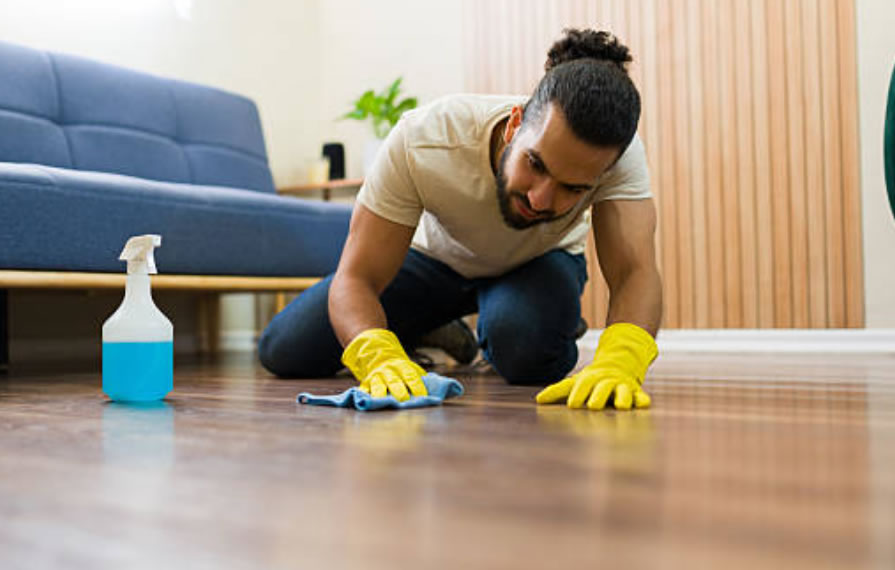
Daily sweeping or vacuuming removes dirt before it scratches the floor finish. Use a microfibre mop or soft-bristle broom for gentle, effective dust removal. Avoid excessive water and soaking mops, which can warp or damage timber. Choose pH-neutral cleaners specifically designed for hardwood or timber floors. Harsh chemicals like bleach, ammonia, or vinegar can permanently damage finishes. Damp-mop lightly rather than using heavy water or soaking solutions. Buff floors with a dry microfibre cloth to remove streaks and enhance shine.
Regular cleaning prevents residue buildup and preserves the floor’s natural beauty. Quick attention to spills and messes avoids staining and long-term damage. Dusting along the grain ensures cleaner, streak-free floors in every room.
Polishing and Maintenance for Long-Lasting Shine
Periodic polishing fills in micro-scratches and restores reflectiveness to the floor. Polish frequency depends on foot traffic, typically every 2–4 months for homes. Always test polish on a small, hidden area before full application. Use microfibre or soft pads for even, streak-free polishing results. Avoid over-polishing, which may cause residue accumulation and attract more dust. Professional recoating can refresh worn areas without sanding the entire floor. Deep scratches may require sanding or full refinishing for proper restoration. Buffing floors after polishing enhances shine and removes remaining cleaning residue. Routine maintenance, combined with proper cleaning, prolongs floor life significantly.
Choosing the Right Wood Floor Finish
The floor finish protects timber from moisture, wear, and daily damage. Matte finishes hide scratches and imperfections while giving a natural wood appearance. Satin finishes reflect slightly more light and remain forgiving to scratches. Semi-gloss finishes highlight wood grain and color variations without excessive maintenance. High-gloss finishes create luxurious shine but reveal dirt, dust, and fingerprints. High-gloss floors require frequent cleaning, making them less practical for busy homes.
Finish selection depends on lifestyle, aesthetic preference, and willingness to clean often. Durability depends more on finish type, such as oil-based or polyurethane, than sheen. Matte and satin finishes are ideal for homes with children or pets. High-gloss finishes suit formal spaces or low-traffic areas seeking visual impact.
Additional Tips for Protecting Wood Floors
Place mats at entrances to prevent grit from scratching timber surfaces. Use felt pads under furniture to reduce dents, scuffs, and scratches. Wipe spills immediately to avoid water damage or permanent stains. Limit sunlight exposure to prevent fading or discoloration over time. Clean dust and debris promptly to maintain long-lasting shine. Regular professional maintenance ensures floors remain polished, protected, and beautiful. Professional recoating or sanding may be necessary for older or heavily worn floors. Oiled floors require periodic nourishment using recommended oils or waxes for durability. Avoid steam cleaners, as heat and moisture can compromise wood finishes. Routine care and proper cleaning techniques are more important than frequent refinishing.
Balancing Shine and Practicality
Shiny floors look impressive but may show imperfections more clearly. Matte and satin floors combine a modern appearance with easier maintenance. High-gloss floors deliver dramatic visual impact but demand frequent cleaning. Choosing a finish is a compromise between aesthetics, maintenance, and home activity levels. Observe samples under real lighting to decide which sheen best suits your space. Consider semi-gloss finishes for balance between shine and practicality.
Homeowners with high-traffic areas may benefit from durable, low-sheen protective coatings. Maintaining shine requires consistent cleaning, polishing, and preventive measures. Combining daily care with occasional professional maintenance maximizes floor longevity. Ultimately, a well-maintained floor enhances home beauty and creates a welcoming atmosphere.
Final Touch
Wood floors can maintain shine with proper cleaning, polishing, and preventive care. Use pH-neutral cleaners, microfibre mops, and gentle buffing for daily maintenance. Select finishes based on aesthetics, lifestyle, and traffic patterns in the home. Matte or satin finishes hide wear, while high-gloss offers reflective, luxurious appearance. Protect floors with mats, furniture pads, and sunlight control to prevent damage. Periodic professional recoating or refinishing restores shine when wear becomes noticeable. Routine care ensures floors stay beautiful and reflective for decades. Understanding your wood type, finish, and maintenance requirements guarantees lasting elegance. Well-maintained floors improve both home value and daily comfort for residents. Commitment to cleaning, polishing, and protection results in floors that look like new.
Frequently Asked Questions (FAQs)
- How often should I polish my hardwood floors?
Polishing is recommended every 2–4 months, depending on foot traffic and wear. - Can I use vinegar to clean my wood floors?
No, acidic cleaners like vinegar can damage the finish and dull the wood. - Should I choose matte or high-gloss floors?
Matte hides scratches and wear; high-gloss is more reflective but requires frequent cleaning. - How do I fix scratches on a wood floor?
Minor scratches can be polished out; deep scratches may need sanding or professional recoating. - Are oil-finished floors easier to maintain than polyurethane finishes?
Oil-finished floors require periodic nourishing, while polyurethane offers longer-lasting surface protection. - Can I use a steam mop on hardwood floors?
No, steam and moisture can damage wood and void manufacturer warranties. - How do I protect wood floors from pets and children?
Use mats, furniture pads, and timely cleaning to minimize scratches and wear.